The verdict

I have been working on this book for almost two years now, and finally to call it a day and hand it over was quite an effort. The short wait for an editorial response hasn’t been easy – (irritable? me?) – but the imminent meeting to discuss the text with the very senior commissioning editor and her desk editor wasn’t an enticing prospect either. In this fragile state it’s too easy to imagine a disappointed response, dismay, even regret (‘Not quite what we’re looking for, after all’). I am not a natural optimist. So, trudging through the rain to the HarperCollins offices this morning I felt like a condemned person.

Actually, I’m sure it wasn’t a song for them either. Authors are protective of their beloved, and the tenor of these meetings is essentially critical… ‘Ahem. This is what you haven’t done; this is where you haven’t given it enough oomph; these are the dangling ends; and THIS is where there is far, far too much of your eager but essentially tedious background research…’ There’s probably plenty of unnerving scope for criticism to be too negative, and even more – writers being what they are – for it to be negatively received.

But, phew. This time they do like it. Genuinely. Of course there’s work to be done. None of it major. Most importantly, I’ve been so intent on managing my ambitious plot and painting the Victorian scene and marshalling the detail about theatre magic that I’ve let the characters go cool towards the end. It will take only a little pruning and a handful of scenes to be inserted or warmed up, and it’s easy to see how that can be done, but the criticism is so right that I can’t wait to get going on the job.

Apart from this, there was lovely discussion of cover ideas, and dates for the various editions. The hardback (probably) will be out in March next year (almost certainly).

Oh, and they want a different title. To me it has always been THE ILLUSIONISTS, but the call is for something more personal, more intimate. I’m thinking.

In Morocco

Snail soup seller. Djemaa el-Fnaa Marrakech.

Snail soup seller. Djemaa el-Fnaa Marrakech.

Still in limbo while waiting to hear if important people like the new book, so I am concentrating on Morocco.

Marrakech seems much more prosperous than when I was last there six or seven years ago. There are dozens of smart riads, building sites everywhere, satellite dishes overlapping as closely as fish scales, and bars so cool and full of pretty people they could be in Ibiza or Rio. Djemaa el Fnaa is still home to the rip-off orange juice men, sheep’s head merchants, fortune tellers and snake charmers of old, but it is as if they and the mobs of ambling visitors are engaged in a mutually ironic and modern nod to each other – ‘here we are in the Marrakshi sunset scene, amiably conning and being conned, isn’t it what you do, before going on for dinner?’ – rather than facing off for real. In this savvy centre, the snake man probably writes a blog. Quite likely his cobras do too. (‘Rather a dim crowd out tonight. Not one decent scream when I gave my best sway in the basket’).

Maybe I’m imagining it but the souk seems cleaned up. I bought some new painted bowls to replace the ones that have got broken over the years, but you can’t lose your way any more. There are neat blue overhead signs and arrows pointing you back in the right direction. Levels of carpet-insistence and small-boy-pester are much lower, which makes shopping a pleasanter experience – if that matters – but it means life must be easier for the Marocains.  In the honey pot of Marrakech, at least.

Seaside garden, Oualidia.

Seaside garden, Oualidia.

Out here on the coast life is much slower and quieter. A man and his donkey have been settled on the sand, looking out across the lagoon, for much of the day. They both wear battered straw hats. There are plenty of line fishermen on the rocks that enclose the lagoon, and a fleet of blue and white painted boats bring in the catch for the fish restaurants. At breakfast we asked for sea urchins for our lunch, and they were brought in all spiny straight off the rocks. We scooped the flesh out of the little conker-sized shells in silent greedy concentration.

There are famous oyster beds here too, producing big, fat oysters much appreciated by weekending types from Rabat and Casa. Midweek and outside high season, as it is now, it’s very quiet and all the better for that. Sultan Mahommed V built a huge seaside villa here, but it’s derelict now and falling down under the sky. For some reason it’s still heavily guarded, and photography is not encouraged.

The Sultan's ruined villa, Oualidia.

The Sultan’s ruined villa, Oualidia.

There’s not a lot to do, apart from walk and sunbathe and read. I have read and loved Simon Armitage’s witty book Walking Home, about the Pennine Way, and the new le Carre.

Tomorrow, a drive south down the coast to Agadir.

Another rung on the ladder

My agent kindly and very promptly read the manuscript of the new book over the weekend. Resisting the temptation to cut and paste his response verbatim here, I will say that he likes it.

Now the text goes to my publisher/editor at HarperCollins. If she likes it too, we may be in business.


The end of the beginning

The week of finishing a novel is never a time for rational thinking, although it’s the very moment when a shred of detachment would be welcome.

Stating the obvious to a stupid degree, the business of writing is personal and highly internal. But even the writer herself can underestimate the way the work takes over the life. I’ve never been the kind of novelist who claims that my characters develop their own mysterious momentum. Mine don’t talk back to me, or start up their own rebellious behaviours. I regard it as my job to devise and direct them, not vice versa. But still, the people I’m writing about do – sometimes – seem to pace alongside me, and to offer a sort of daily companionship that can – sometimes – seem preferable to being with real friends and family. Actual people tend to be annoyingly attached to their independent lives. No making up both sides of a dialogue with them, no autocratic plotting of their future triumph or doom. Imagine!

So it’s another statement of the obvious to say that the last line of the last chapter brings a sense of loss as well as satisfaction. No more shutting the door and resorting to the imagination in interesting company. I have been lucky, so far, that whenever I have finished one book there has always been a new set of people and places coming into view, but still it takes time to get to know them.  Temporarily, therefore, it’s oddly lonely. (This isn’t a plaint. Just trying to describe what it really feels like).

So the sprawling, maddening, unruly heap of words – ie a novel – has finally been patched and pruned into some kind of order, and (yesterday) gone off in an email attachment to my agent. Now there’s a wait… which is where the rationality would come in handy. As it is, I swing between embarrassed certainty that it’s really, really terrible, and a wild euphoria of daydreaming Spielberg-comes-calling scenarios while I unload the dishwasher.

The reality, of course, will – as ever – be somewhere between the two.

In the meantime, until my agent and my daughter respond (she is also a writer, and my first and best critic), it’s like the day after the end of exams. So much looked forward to, rather confusing and a bit flat when it finally arrives.

I don‘t know what to do first: whether to attend to my poor garden plants or go out for a pedicure

(There will be further posts about the bringing of a novel to publication day, as it happens.)

Spooked out

P1010072

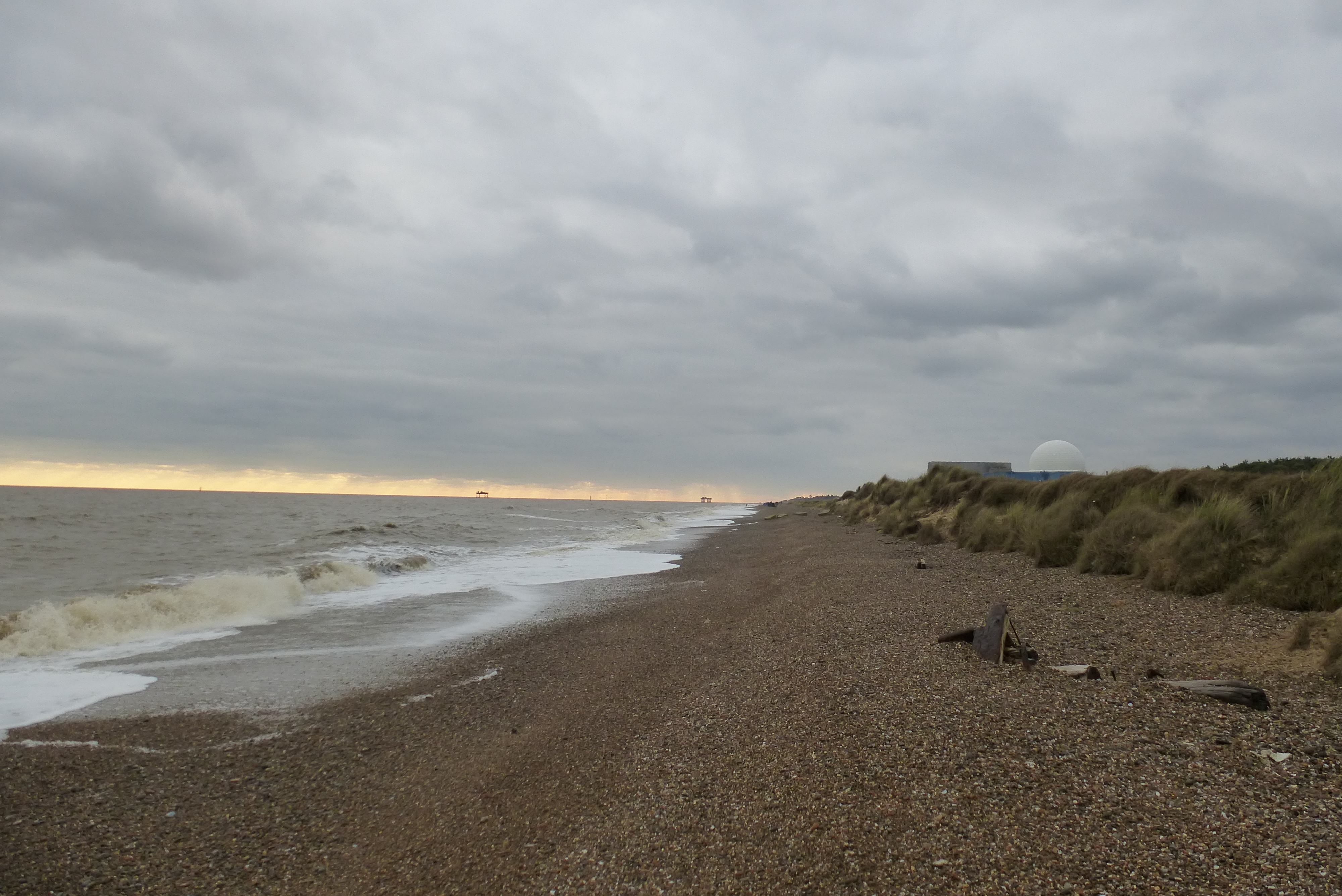
In the Christmas stocking this year was a box set of the BBC’s Ghost Stories at Christmas. On Boxing Night we sat down to watch Michael Hordern in M R James’ classic Whistle and I’ll Come to You. I’m way too much of a scaredy-cat to watch anything spooky unless all the lights are on and there are at least three other people on the sofa with me, and even so I found it terrifying. Most of it was caught in glimpses  between my fingers, much to the family amusement. And now, a fortnight later, I can still hardly walk on a shingle beach without peering over my shoulder in case something is following me.

Today the afternoon light drained away in minutes, leaving a greenish tinge in the air. The scene was made even eerier by the white bubble of Sizewell B floating above the dunes. Fear is all in the imagination and not in the description, of course. I’m thinking quite a lot about how to create a supernaturally charged atmosphere because of some scenes in the current novel. (And admiring how brilliantly Sarah Waters did it in The Little Stranger). After walking back across the marshes I came home to a quiet house, a log fire and my half-finished book, in which I am writing about a séance. I have drawn the curtains to shut out the shingle and the groynes, and the lights are blazing. How scary can I write this….?

elbow room

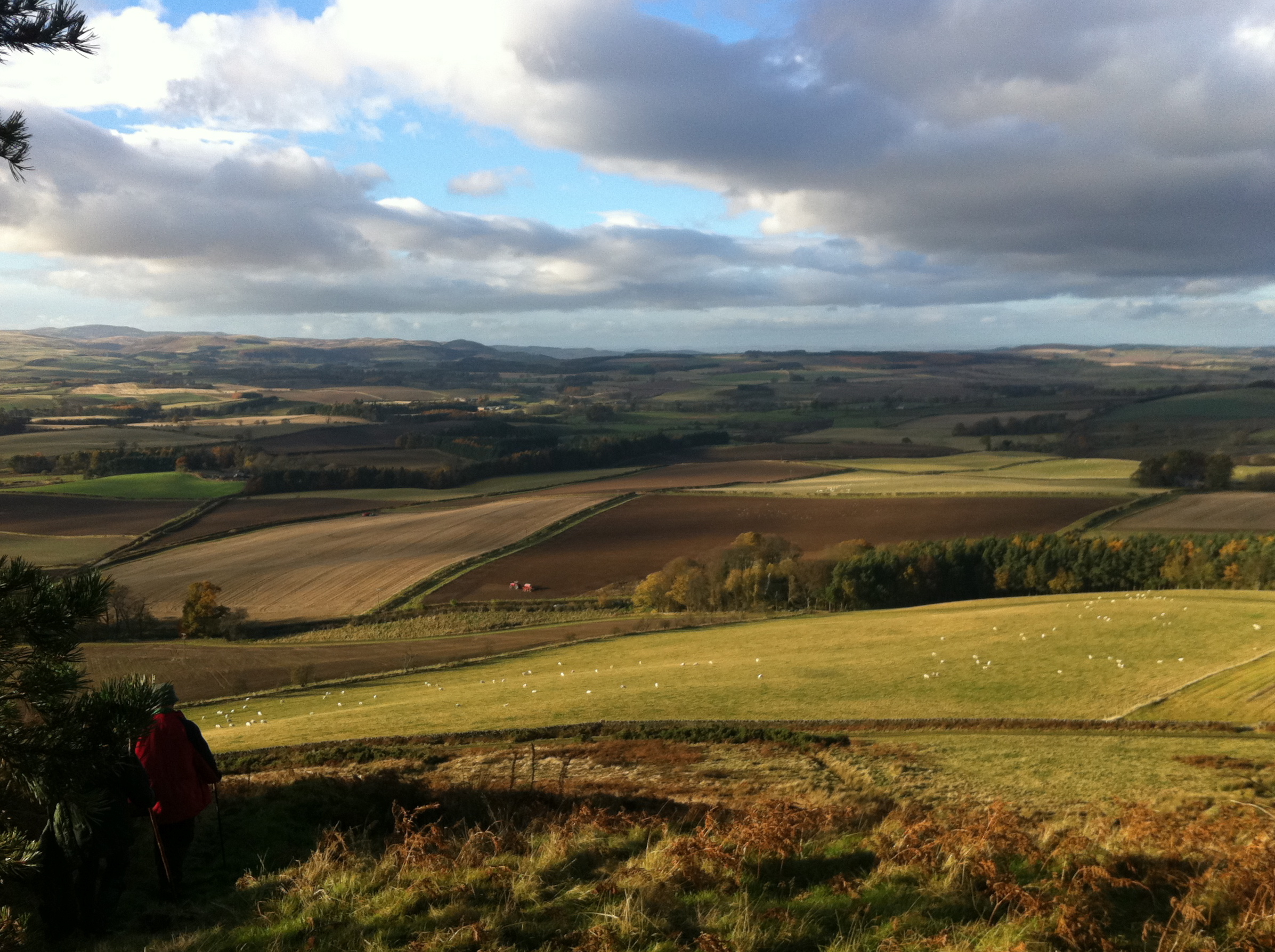
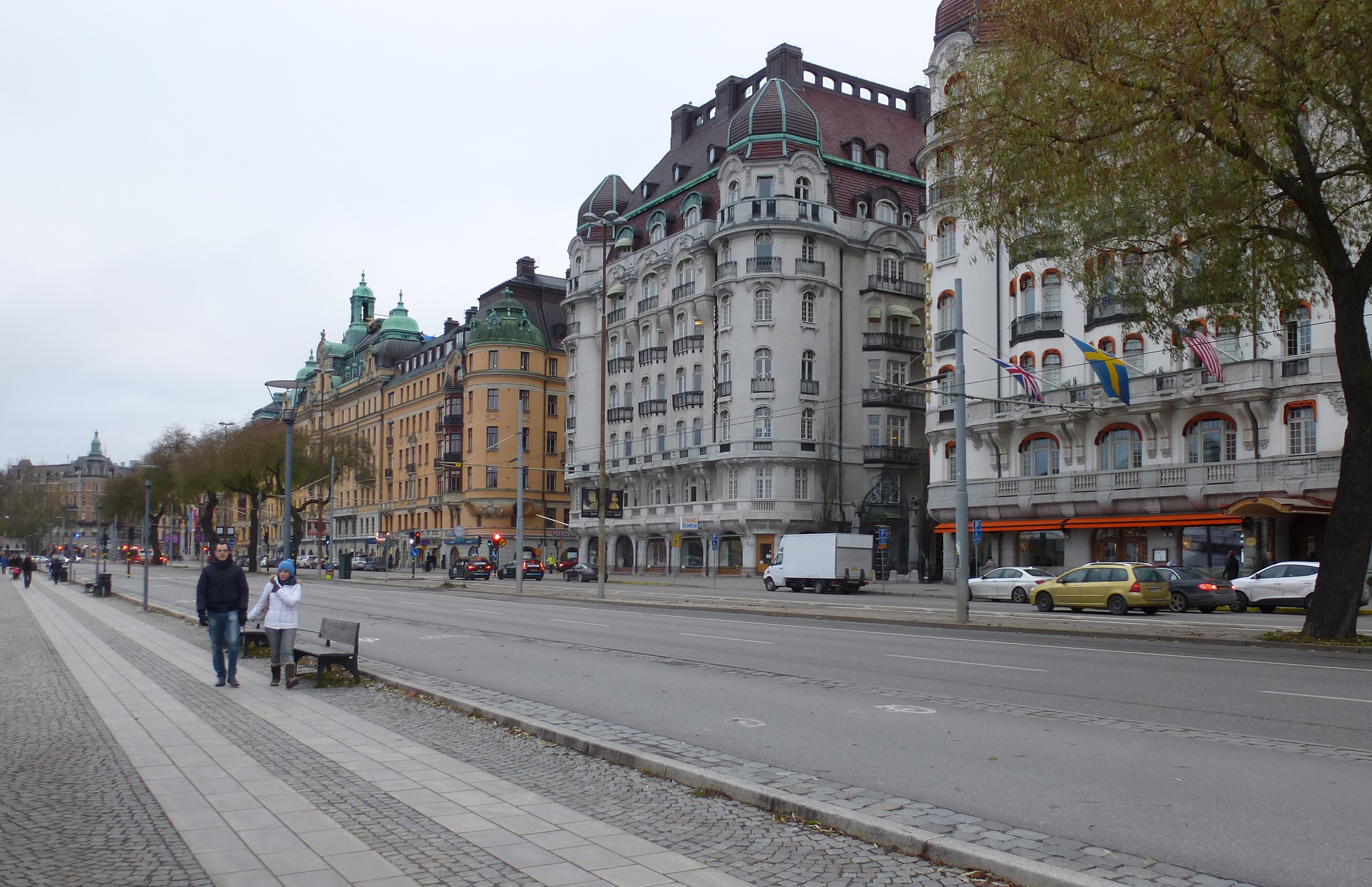
I’ve been up in Northumberland, where there is a realm of space and not a lot of people to fill it, and then for a brief trip to Stockholm. There are quite a lot of people there – most of them elegantly sitting in the cafe of a design store, sipping a latte whilst glancing at their MacBook Air – but there is never any sense of a crowd. And then I went yesterday to Oxford Circus.

Everyone was trampling each other in a fury, perhaps because they had just spotted that the Christmas lights are advertising Marmite.

No wonder all us Londoners are as mad as rats in a maze. We haven’t got room to respire, let alone roam.

Still. Wouldn’t change a thing.

In Northumberland

In Northumberland

Midday, central Stockholm

Midday, central Stockholm

Travelling write


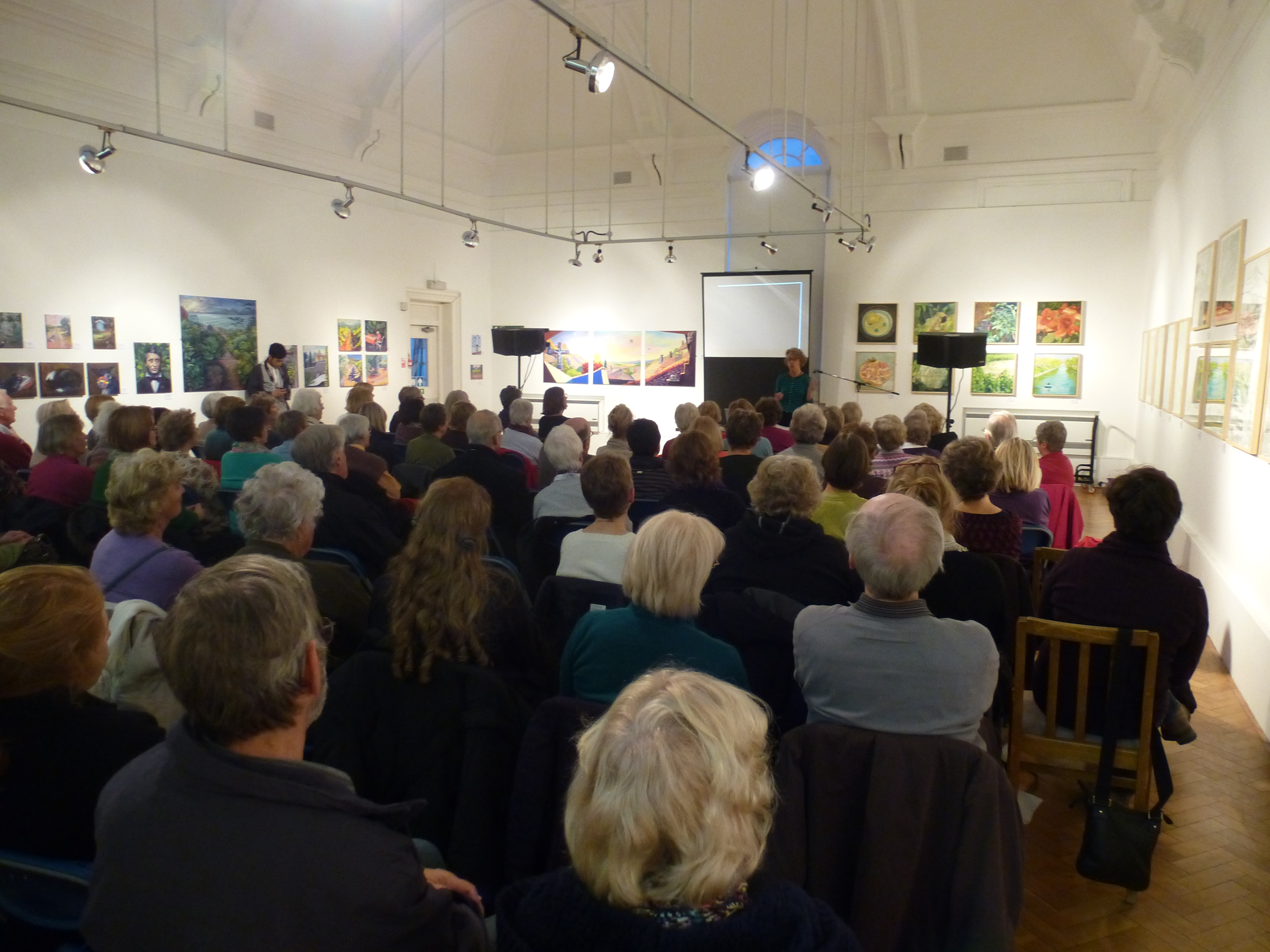
A light, bright room at the Folkestone Library, and a great audience who came to hear me talk about how travel and writing fiction work in tandem. Lots of questions, lots of books signed, and a going-home present of a hamper of local produce – including a miniature fruit cake so delicious that I sat on my hotel bed afterwards and scoffed the whole thing. Thanks to the audience, the organisers of the Folkestone Book Festival and Helen Derry, for their warm welcome.

Exhilarating walk along the sea front this morning from Sandgate back into Folkestone – huge waves  and high winds nearly blew us away.

The Festival runs for another week until November 10th – details at http://www.folkestonebookfest.com

Is there a book in it?

A reader recently asked on Facebook whether the trip to Bhutan will lead to a new book. It’s a good question, since I usually say that travel is where I get my ideas from now I’ve written so many books that I’ve used up all my ready-made life experiences. From time to time I have to go off and have some new ones, or else I’d have nothing to turn into fiction.

It’s true that we had plenty of adventures out there. The monsoon rains ended, and about three days later the snow came earlier than predicted. We were then at the farthest point from civilization, out in the high Lunana mountains, and in the beginnings of the blizzard our guide made clear that the two options open to us were:

1. to go for it, walking fast and hard, aiming to get over the passes while the snow was still not too deep to stop the ponies (and us).

2. not to go for it, which would mean waiting in Thangsa for an Indian Army helicopter to come and evacuate us. This is what happened to some members of a group following a day or so behind us.

We went for option 1, which was exciting, but also carried the real possibility that we’d get stuck in our tents somewhere even less accessible than Thangsa.

We’d have been cold and hungry.

Of course in the end we made it over the Rinchen Zoe pass at about sixteen thousand feet, and a couple of days later finally walked out below the snow line to valleys full of acacia, rhododendron and majestic hemlock pines. While we trudged through the drifts the skies were always cloudy but still the air was so thin, and the reflected light so strong, that we all got lip sores and burned cheeks as if we’d been to the south pole. More seriously, we all wore sunglasses – but some of our crew didn’t  and as a result their eyes got scorched. For more than 24 hours the pain they went through was excruciating.  Even though we had two doctors with us there wasn’t much they could do except offer painkillers. The yak men, though, didn’t suffer. They tied thick hanks of yaks’ tail  across their eyes and peered through that, which filtered the light to a safe level.

All interesting stuff – but a novel? I’ve more or less covered that territory, in White and Sun at Midnight.

I’ve thought a lot about the tiger and the snow leopard, slinking through the forests. I’m sure they’ll crop up somewhere, either as themselves or as a symbol of wilderness in another context.

But the really knotty topic for me this time was the group itself. (Isn’t it always??)

Perhaps the constitution of it wasn’t ideal, being two long-standing married couples and me on my own. And the very cold conditions meant that almost all the hours in camp, from about 4 pm to 6 am, were spent inside our tents zipped up in our sleeping bags, they in their pairs and I in my solo state…. So for quite a lot of the time when not actually walking, I felt left out. No-one’s fault, of course. And on any expedition feeling a bit lonely and homesick has to be dealt with in exactly the same way as cold and tiredness, with food, sleep and Getting Over It.

But it was fascinating to note how finding myself on the outside of this particular group took me straight back to school, to feeling unpopular and awkward and lost, and consequently just as vulnerable now as the isolated adolescent I then was.

Hmmm. Something there, maybe? The knee-jerk emotional reaction although almost all circumstances are actually different?

It’s a roundabout answer to the original question. But travel does illuminate the unexpected fibres of that interface between the known and the unknown.

For me it’s right there, in the membrane that separates present reality from the imagined and  the recollected, that fiction grows.


No more than a glimpse, but…..

Two of us were climbing in silence up a twisting path between thick trees, concentrating on keeping our footing on broken rock, breathing hard in the thin air at 4800m. Kesang suddenly froze and held up his hand. I obediently stopped in his wake, faintly irritated to have to break the rhythm of my steps.  Invisible birds shot upwards, wings beating, screeching a warning overhead. I looked up, wondering if I was supposed to be identifying them. I’m no birder. Blood pheasant, perhaps; everyone wanted to see one.

Then something made me glance to my right, into the dripping leaves. Ten feet away there was a strip of dead foliage hanging down, colourless and motionless. Then it stirred as if caught by the breeze. But something else had brushed it: a reddish tabby flank, marked with bold dark spots.  There was a flash of white underbelly too. The glimpse lasted for no more than a second, but there was no mistaking it.

The snow leopard.

I had no chance of reaching my camera but that didn’t matter. The brief blaze of it, the creature’s shape and stealth and sureness, is burnt into my mind. I won’t forget what I was so lucky to see.

A mile further up the track a dead pony lay half on and half off the path. Steep and difficult, this path does claim the lives of pack animals. Our yak drivers told us that the leopard can smell dead meat from the other side of a mountain range. He was on his way to a feast.